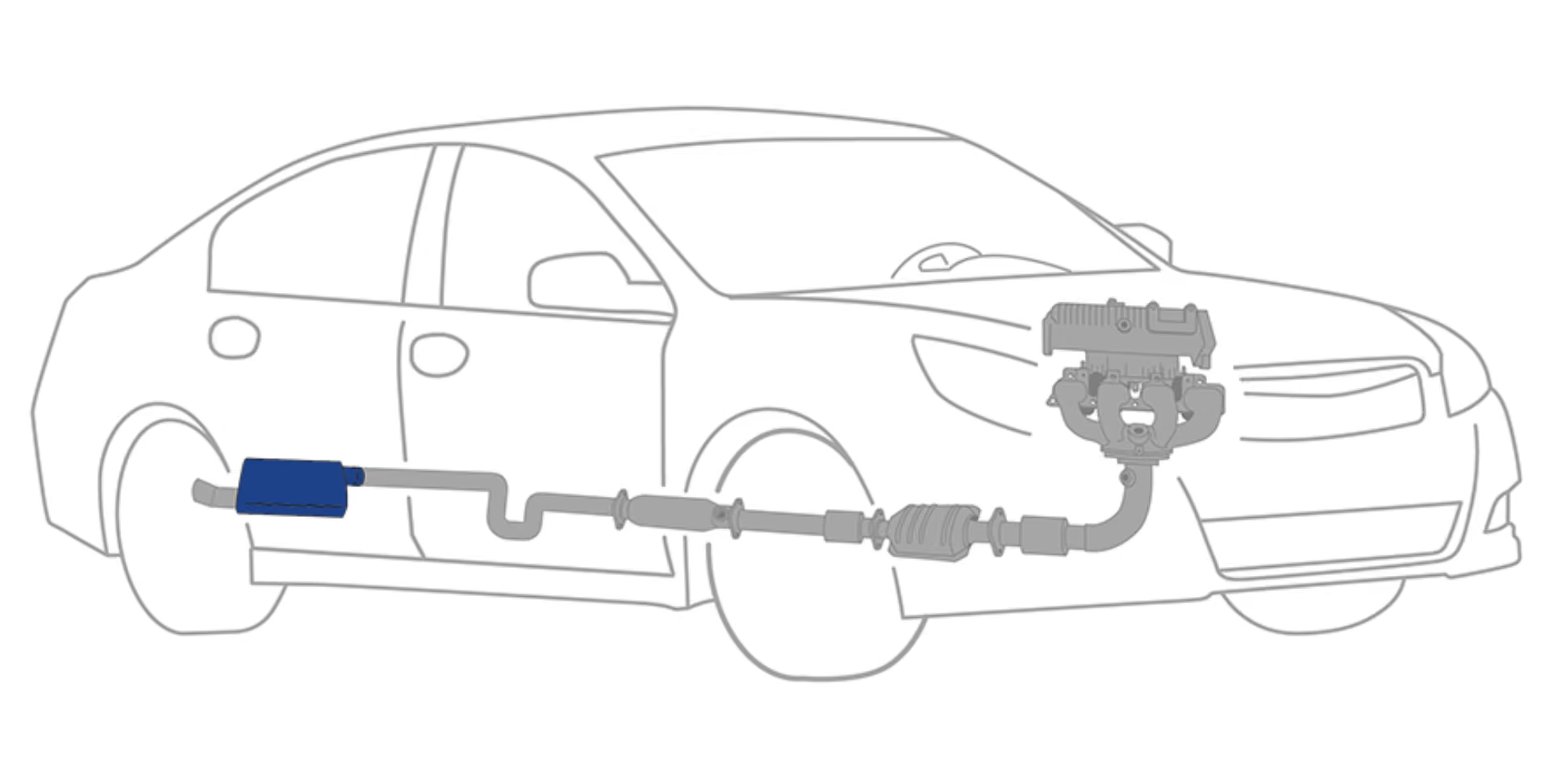
Exhaust System Repair
Areas Served:
Rexburg, ID // Blackfoot, ID // Driggs, ID // and surrounding areas

Description of Exhaust System Repair
Located on the underside of your vehicle, the exhaust system is responsible for collecting and directing harmful emissions away from the vehicle, reducing the amount of pollutants released into the environment, and minimizing engine exhaust noise and force. The exhaust system is composed of pipes and tubing designed to streamline vehicle operation while maximizing vehicle performance and efficiency. Engines produce dangerous gases as a byproduct of the combustion process. The exhaust manifold collects the emissions from the engine and funnels the gases through the front pipe to the catalytic converter. The converter transforms these harmful gases, like carbon monoxide, hydrocarbons, and nitrogen oxide, into less harmful ones, like oxygen, nitrogen, water vapor, and carbon dioxide. The muffler helps cancel out the noise created by the engine. The muffler dissipates sound waves while the tailpipe releases the converted gases into the atmosphere.
Benefits of Exhaust System Repair
Depending upon the problem, the exhaust system can affect both your vehicle’s performance and your ability to drive. For these reasons, it is important to keep current with maintenance intervals on your exhaust system. A repair service may be impending if you hear excessively loud noises during acceleration. These noises may be a sign of holes or cracks somewhere in the exhaust system. Rattling noises when starting the vehicle or excessive idling may be a sign of failed or broken hangers. If you feel drowsiness while driving, this may be a serious sign that fumes are leaking through the vents and into the cabin interior. Sharp odors are also signs that noxious fumes are leaking into the vehicle. Signs of rust or cracks in any component of your exhaust system indicate corrosion. If you experience any of these symptoms, you should seek a service sooner than later. Maintaining routine exhaust system services will help keep all your exhaust components, like the exhaust manifold, front pipe, downpipe, catalytic converter, and muffler, working efficiently. Routine maintenance on your exhaust system will save you from having to replace the entire exhaust system down the road.
Clair & Dee's Point S Tire & Auto proudly serves the Exhaust System Repair needs of customers in Rexburg, ID, Blackfoot, ID, Driggs, ID, and surrounding areas.
Catalytic Converter Replacement
Located on the underside of your vehicle, the catalytic converter helps clean up vehicle emissions before expelling them into the environment. Catalytic converters contain honeycomb-like structures coated with platinum and palladium that help minimize the harmful effects of carbon monoxide, hydrocarbons, and nitrogen oxide produced by your vehicle’s engine. These harmful elements pass through two stages: the reduction catalyst stage and the oxidation catalyst stage. During the reduction catalyst stage, nitrogen oxide is converted into oxygen and nitrogen gases while carbon monoxide and hydrocarbon is oxidized in the oxidation catalyst stage. The catalytic converter also relies on the oxygen sensor to detect the correct level of oxygen introduced in the oxidation catalyst stage. Routine exhaust system maintenance can help ensure your catalytic converter is always working optimally and reduce the likelihood of it releasing harmful and often deadly chemicals into the environment, or into the cabin of your vehicle.
Approx Time:
60 Minutes
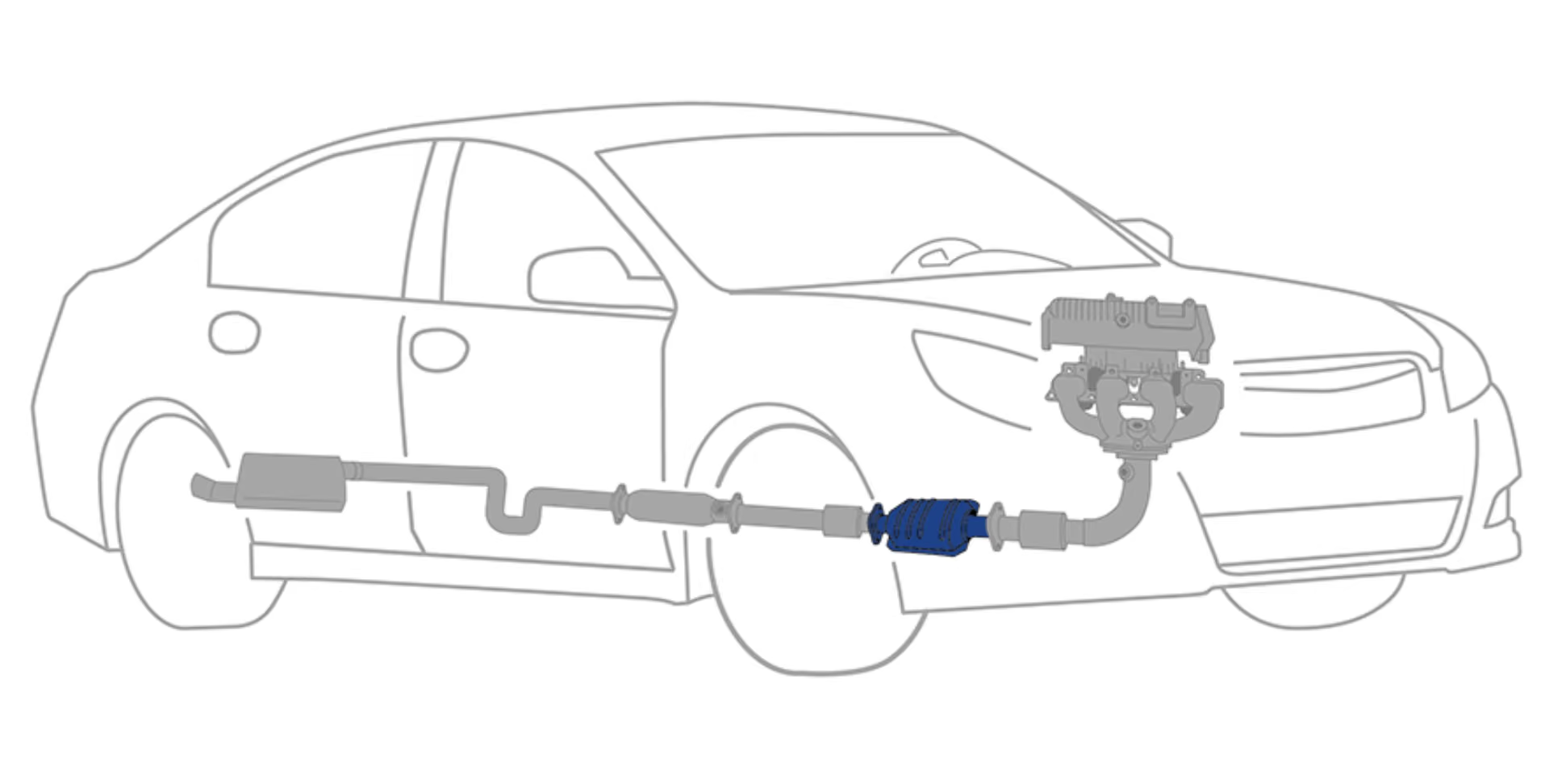
Center Exhaust Section Replacement
The center exhaust section contains the catalytic converter and the section of exhaust pipes between the downpipe and the tail pipe. The pipes in the center section of your exhaust system are shaped to connect to each other while wrapping and bending to accommodate other parts and components on the underside of your vehicle. The harmful emissions converted by the catalytic converter into less harmful elements are carried away from passengers by the exhaust pipes. Your vehicle’s center exhaust section also contains the oxygen sensor, which determines the correct level of oxygen introduced during the conversion of these harmful emissions into less harmful elements by the catalytic converter. Maintaining proper center exhaust section performance will ensure that your entire exhaust system continues to minimize exhaust noise and reduce pollutants released into the environment. Center exhaust system maintenance is important for your safety, the safety of your passengers, and overall vehicle maintenance.
Approx Time:
60 Minutes
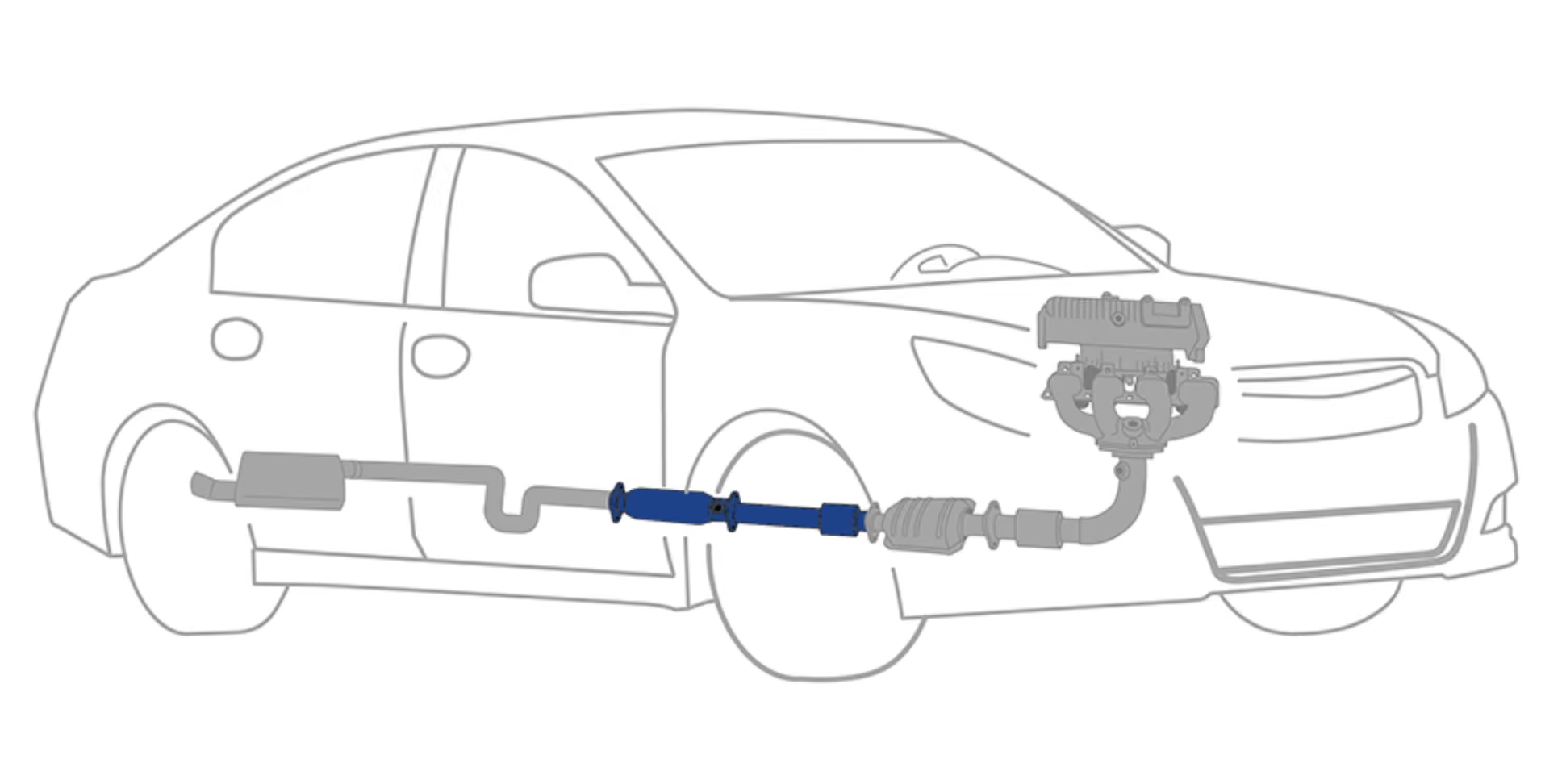
Downpipe Replacement
The exhaust system is responsible for converting engine emissions into less harmful gases before releasing those gases into the atmosphere. The downpipe or front section of an exhaust system connects the exhaust manifold to the catalytic converter. The manifold collects, diminishes, and funnels emissions to the catalytic converter, which converts the emissions into even less harmful substances. Downpipes are designed with a large diameter so that gases can be quickly transferred between exhaust system sections without delay. Without a properly functioning downpipe, the performance and efficiency of the entire exhaust system would be compromised. Your vehicle’s performance is affected when the channel of pipes comprising the exhaust system are inhibited in a way that prevents proper expulsion of the emissions created during the engine combustion process. Replacing your downpipe at the first sign of trouble will promote exhaust system maintenance and improve engine performance.
Approx Time:
60 Minutes
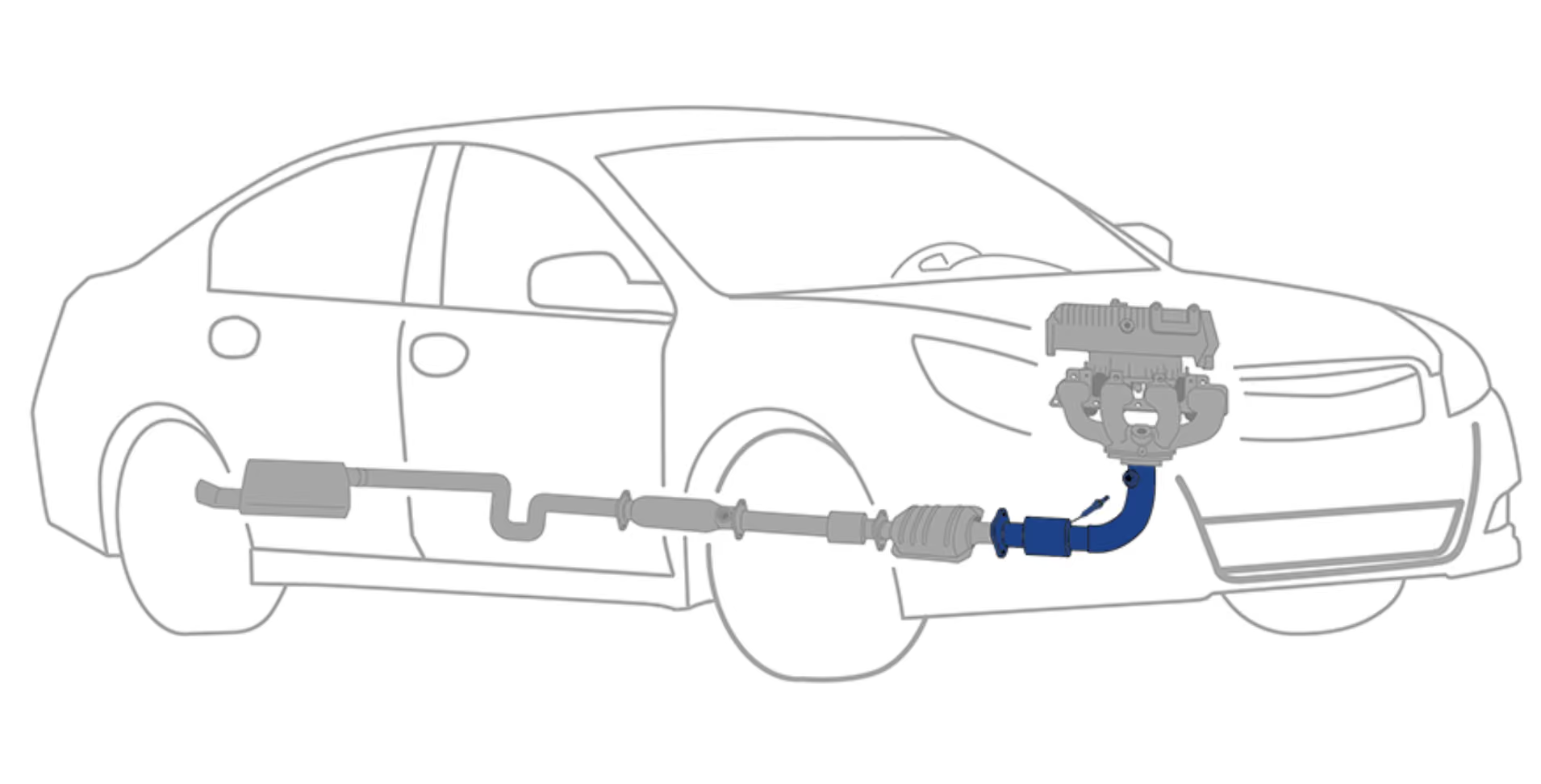
Exhaust Inspection
The exhaust system collects the harmful emissions released from your engine and directs them away from the vehicle. Exhaust system components work together to reduce the amount of pollutants expelled into the environment. The manifold collects the mixture of air and fuel from the engine and burns unused fuel. From the manifold, the emissions are sent through exhaust pipes into the catalytic converter, where the harmful elements are reduced and converted into less harmful gases in a honeycomb structure coated with platinum, rhodium, and palladium. These gases travel into the muffler, which dampens noise and dissipates the sound waves created during the combustion process in the engine. Finally, the gases are released into the environment through the tailpipe. Periodically checking these components for damage will help keep your exhaust system operating at maximum efficiency.
Approx Time:
15 Minutes
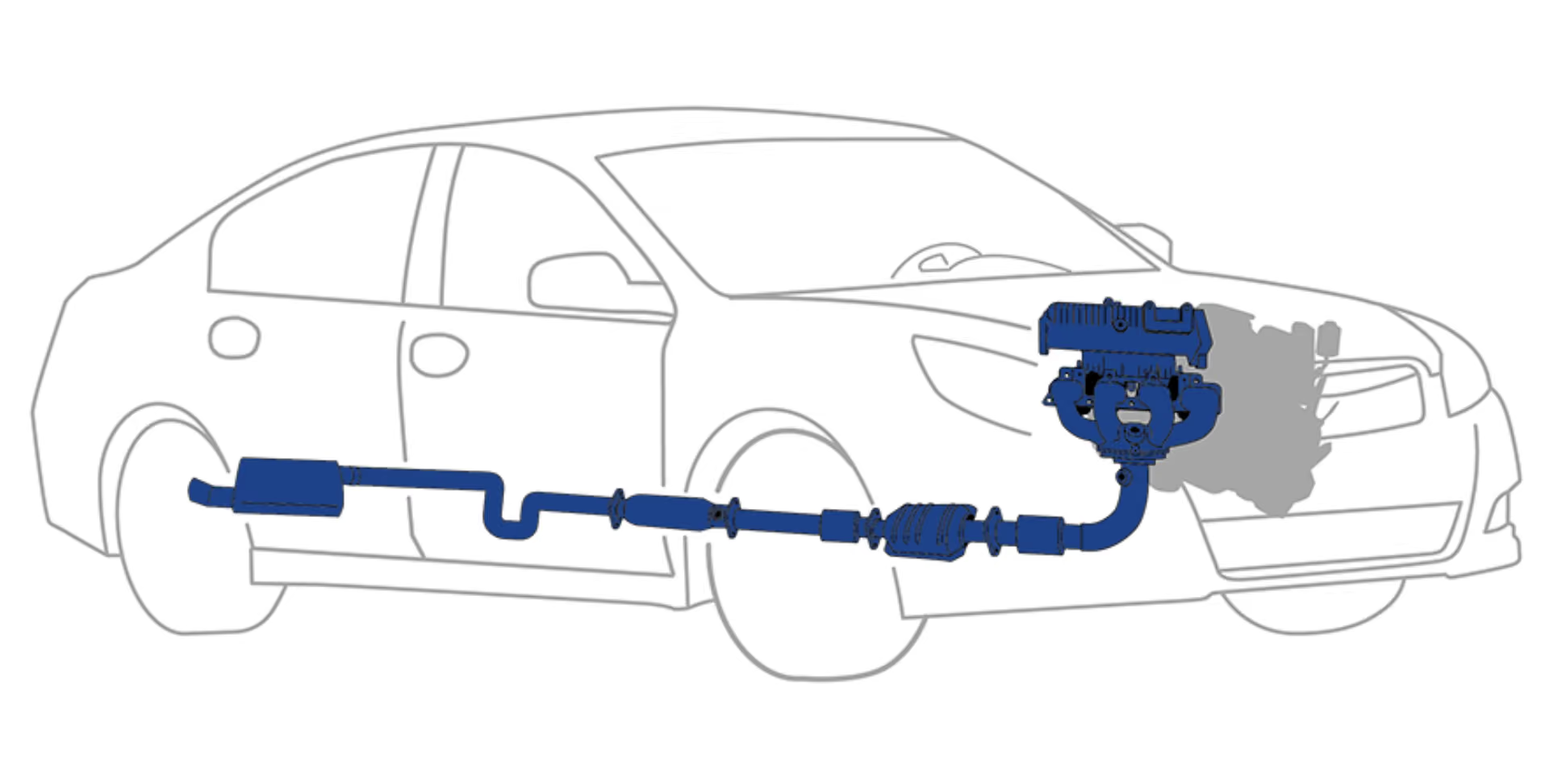
Manifold Replacement
In your vehicle’s exhaust system, the manifold collects harmful emissions produced by the engine during the combustion process. The exhaust manifold is the first compartment to receive these gases from the engine’s cylinders. The manifold collects the harmful gases produced during the combustion process. The manifold contains an oxygen sensor that tells the engine control computer to increase or decrease the amount of oxygen in the fuel and air mixture assembled during the combustion process. After the leftover gases are collected in the manifold, the manifold funnels these gases into the rest of the exhaust system. Over time, this process of heating and cooling can eventually take its toll on the manifold.
Approx Time:
120 Minutes
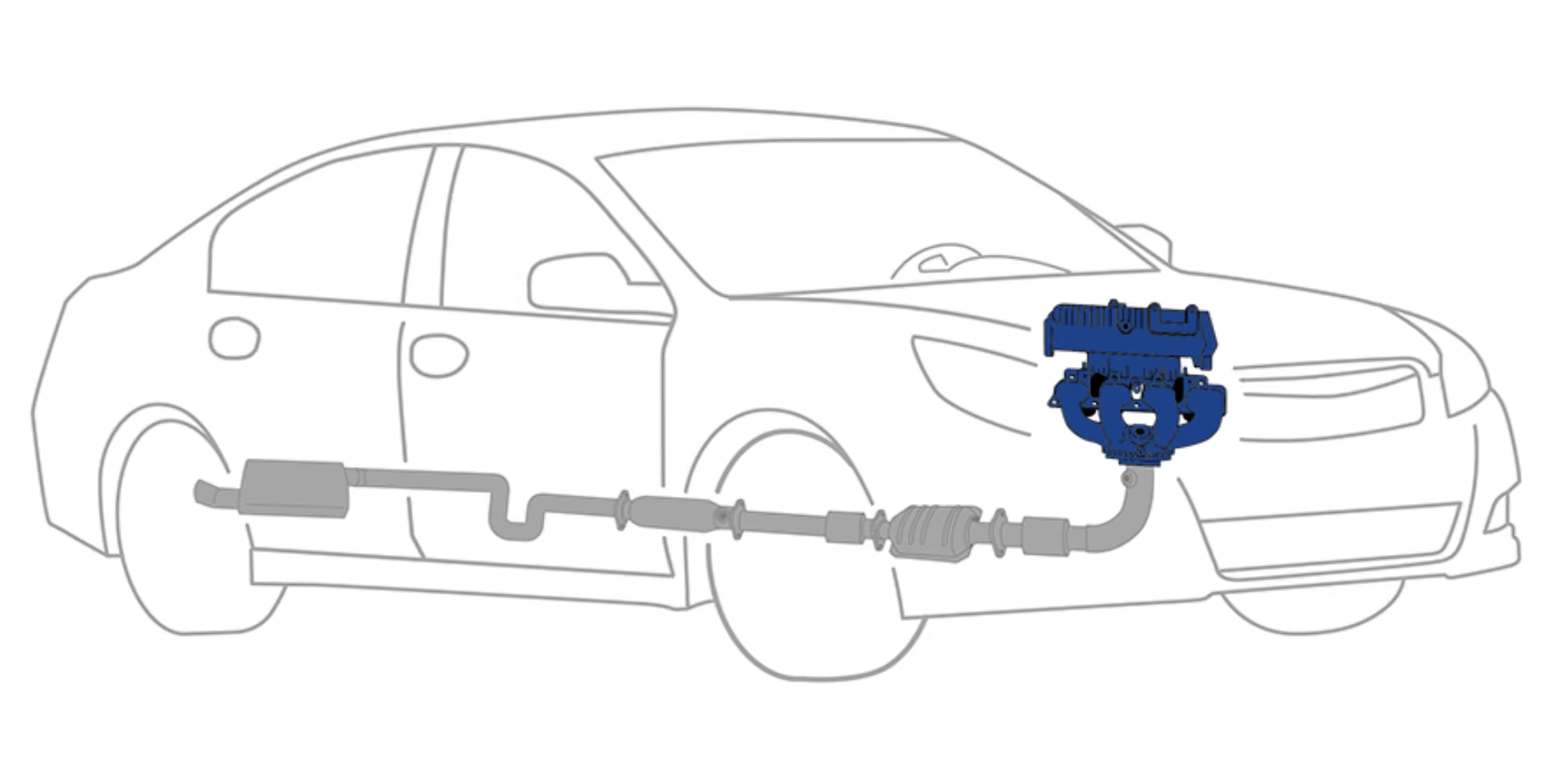
Muffler Replacement
Your vehicle's exhaust system works hard every time you drive, and the muffler is one of its most important components. When it fails, you'll know — and so will everyone around you. At Clair & Dee's Point S Tire & Auto, our technicians are experienced in inspecting exhaust systems and replacing mufflers to get your vehicle running quietly again.
Approx Time:
60 Minutes